You set your thermostat to 74°F, but the living room feels like a sauna while the back bedroom is perfectly comfortable. Or the upstairs bakes all summer while the downstairs stays cool. Uneven temperatures are one of the most common complaints we hear from Southern Utah homeowners — and in 110°F summer heat, a hot spot in your home isn't just uncomfortable, it's a real problem.
Why Temperature Imbalances Happen
A central HVAC system is designed to condition your entire home evenly — but many factors work against that goal. The good news: most cases of hot and cold spots have fixable causes once you identify what you're dealing with.
Cause #1: Duct Problems
Your ductwork is the delivery system for conditioned air. If a duct has a leak, a disconnected section, or a severe bend, air that should reach a distant room gets lost along the way. The rooms closest to the air handler get plenty of conditioned air; the rooms at the end of the duct run get barely any. In older Southern Utah homes, duct leakage rates of 20–30% are common — meaning nearly a third of your cooling never reaches the living space. Duct sealing and airflow balancing can make a dramatic difference in these cases.
Cause #2: The System Is the Wrong Size
An oversized AC system cools the air near the thermostat very quickly, satisfies the thermostat, and shuts off — before the rest of the house ever reaches the target temperature. This is called short-cycling, and it creates persistent hot and cold zones that never fully balance out. An undersized system has the opposite problem: it runs constantly but can never overcome the heat load in the hottest parts of the house. Both situations require professional assessment.
Cause #3: Poor Insulation or Air Sealing
In Southern Utah's intense summer sun, attic temperatures can reach 150°F or more. If your attic is under-insulated, that heat transfers directly into the rooms below — creating a persistent hot zone that no AC system can fully overcome. Similarly, air gaps around windows, doors, and electrical outlets let outside heat pour in while conditioned air escapes. Improving attic insulation to R-38 or higher and sealing air leaks can reduce the cooling load in hot rooms dramatically.
Cause #4: Sun Exposure and Window Heat Gain
South- and west-facing rooms take the brunt of the afternoon sun in Southern Utah. A room with large, unshaded windows on a west wall can absorb tens of thousands of BTUs of solar heat on a summer afternoon — far more than a central system was designed to handle for a single room. Window film, exterior shading, and insulated cellular blinds can reduce solar heat gain by 40–70% without sacrificing natural light.
Cause #5: An Aging or Poorly Maintained System
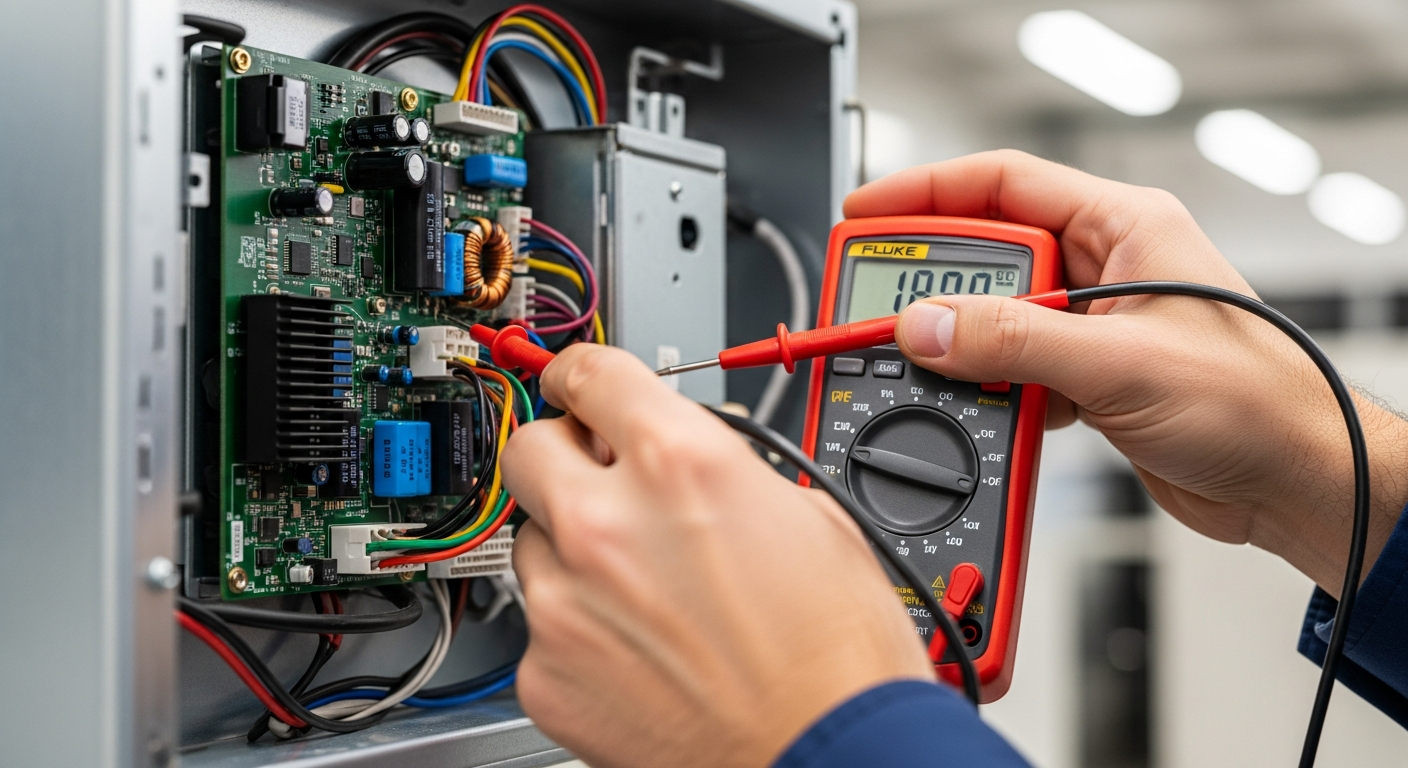
As systems age, components lose efficiency unevenly. A blower motor that's beginning to fail may not push enough air pressure to reach the farthest ducts. A dirty evaporator coil reduces overall cooling capacity, making it impossible to overcome the heat load in larger or less-insulated areas. If your system is 12+ years old and you're noticing new temperature imbalances, declining equipment performance is likely a contributing factor.
The Best Long-Term Fix: Ductless Zoning
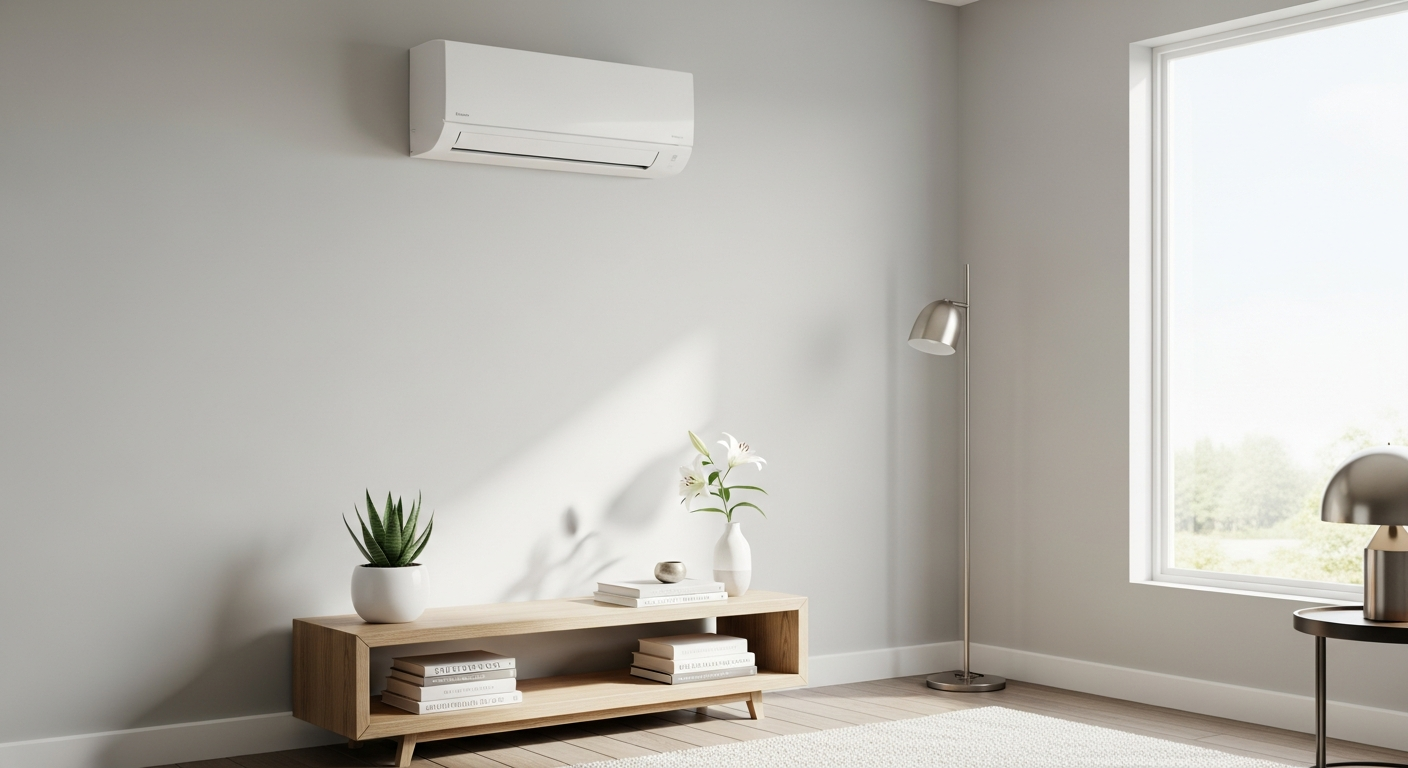
When duct-based fixes have been tried and hot or cold spots persist, a ductless mini-split system is often the most effective long-term solution. A single indoor unit installed in the problem room provides direct, independent temperature control — completely separate from the central system. You can keep the main house at 74°F while the back bedroom runs at 70°F without affecting anything else. Modern ductless systems are whisper-quiet, highly efficient (SEER 18–25+), and can typically be installed in a single day with no ductwork modification.
Free Assessment for Hot and Cold Spots
If you're dealing with persistent temperature imbalances in your Southern Utah home, call Crofts Heating and Air at (435) 635-7838. We'll diagnose the cause and recommend the most cost-effective fix — whether that's duct sealing, airflow balancing, or adding a ductless unit for the problem room.