Southern Utah winters are milder than most of the country—but Cedar City sits at 5,800 feet elevation and regularly sees snow and below-freezing overnight temperatures. Even St. George and Hurricane drop into the 30s on winter nights. Waiting until your furnace fails to discover a problem means cold nights and emergency service rates. A little preparation in September or October prevents that entirely.
Step 1: Replace Your Air Filter
This is the most important and most-skipped step. A dirty air filter restricts airflow, forcing your furnace to work harder, run longer, and wear out faster. If you haven't changed it since spring, do it now—before you switch the system to heat. Use a MERV 8–11 rated filter and plan to replace it every 60–90 days through the heating season.
Step 2: Test Your Thermostat Before You Need It
Switch your thermostat to Heat mode and set it a few degrees above the current room temperature. Within a minute or two, you should hear the furnace kick on and feel warm air from the vents. If nothing happens, the issue may be the thermostat, the furnace igniter, or the pilot light. Discovering this in October is far better than discovering it in January.
Step 3: Check and Clear Your Vents
Walk through your home and make sure all supply and return air vents are open and unobstructed. Furniture, rugs, and drapes blocking vents reduce airflow throughout the system, causing uneven heating and extra strain on the furnace. Pay special attention to return air vents—they're often accidentally blocked during furniture rearrangements.
Step 4: Listen for Anything Unusual at Startup
When the furnace first fires up for the season, stand nearby and listen. Banging, popping, rattling, or a delayed ignition—where you hear a 'whomp' before the burners light—are all worth investigating. These sounds often indicate loose components, a dirty burner, or igniter issues that are easy to fix in fall but can cause a midwinter breakdown if ignored.
Step 5: Schedule a Professional Furnace Tune-Up
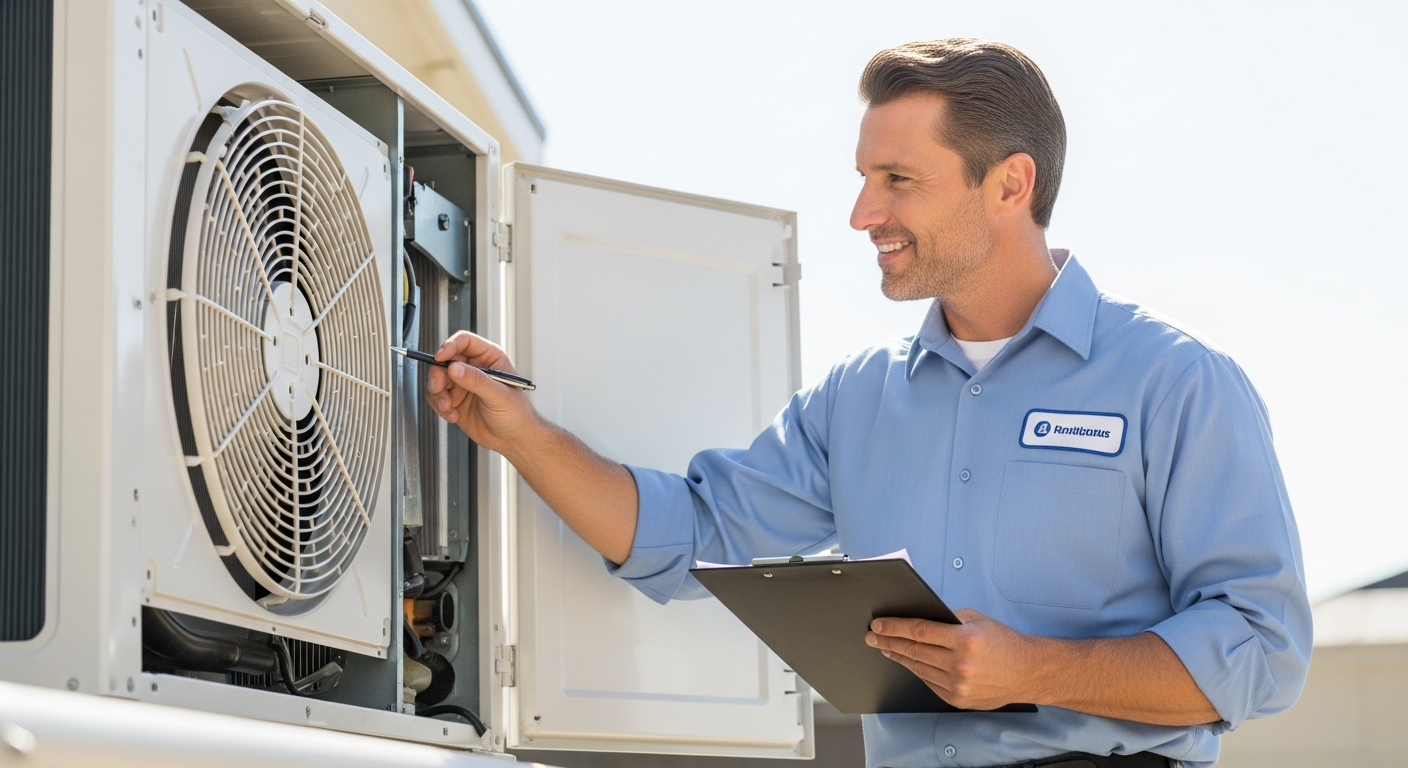
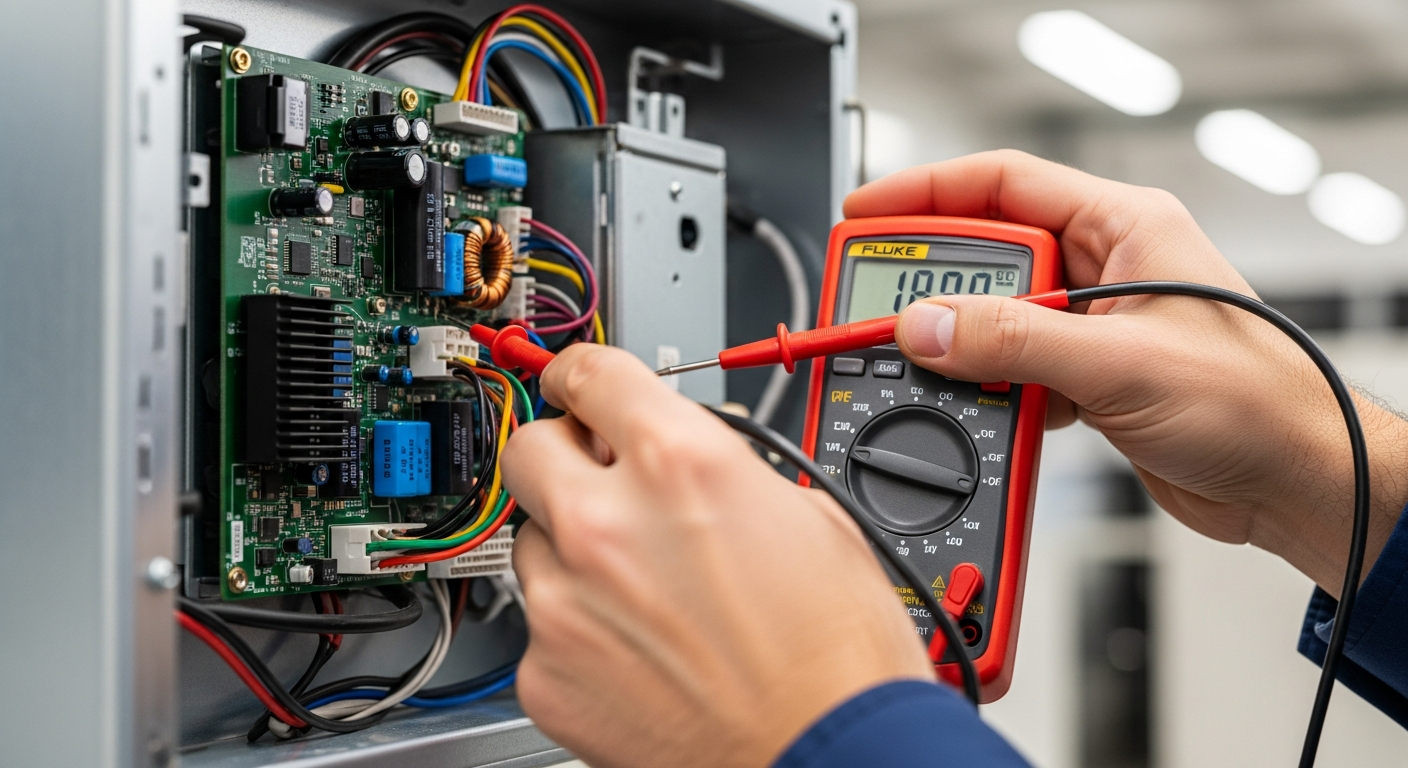
A professional fall furnace inspection typically costs $80–$150 and includes cleaning the heat exchanger, checking the burner and igniter, testing safety controls, verifying the flue and venting, and checking for carbon monoxide leaks. This is especially important if your furnace is more than 10 years old. Small problems caught in October cost a fraction of emergency repairs in February.
When to Consider Replacement Instead
If your furnace is 20+ years old, requires frequent repairs, or shows any sign of a cracked heat exchanger—which can leak carbon monoxide—it may be time to replace rather than repair. Modern high-efficiency furnaces (90%+ AFUE) can cut heating costs significantly compared to an older 70–80% unit. Call Crofts Air Conditioning at (435) 635-7838 for an honest assessment.